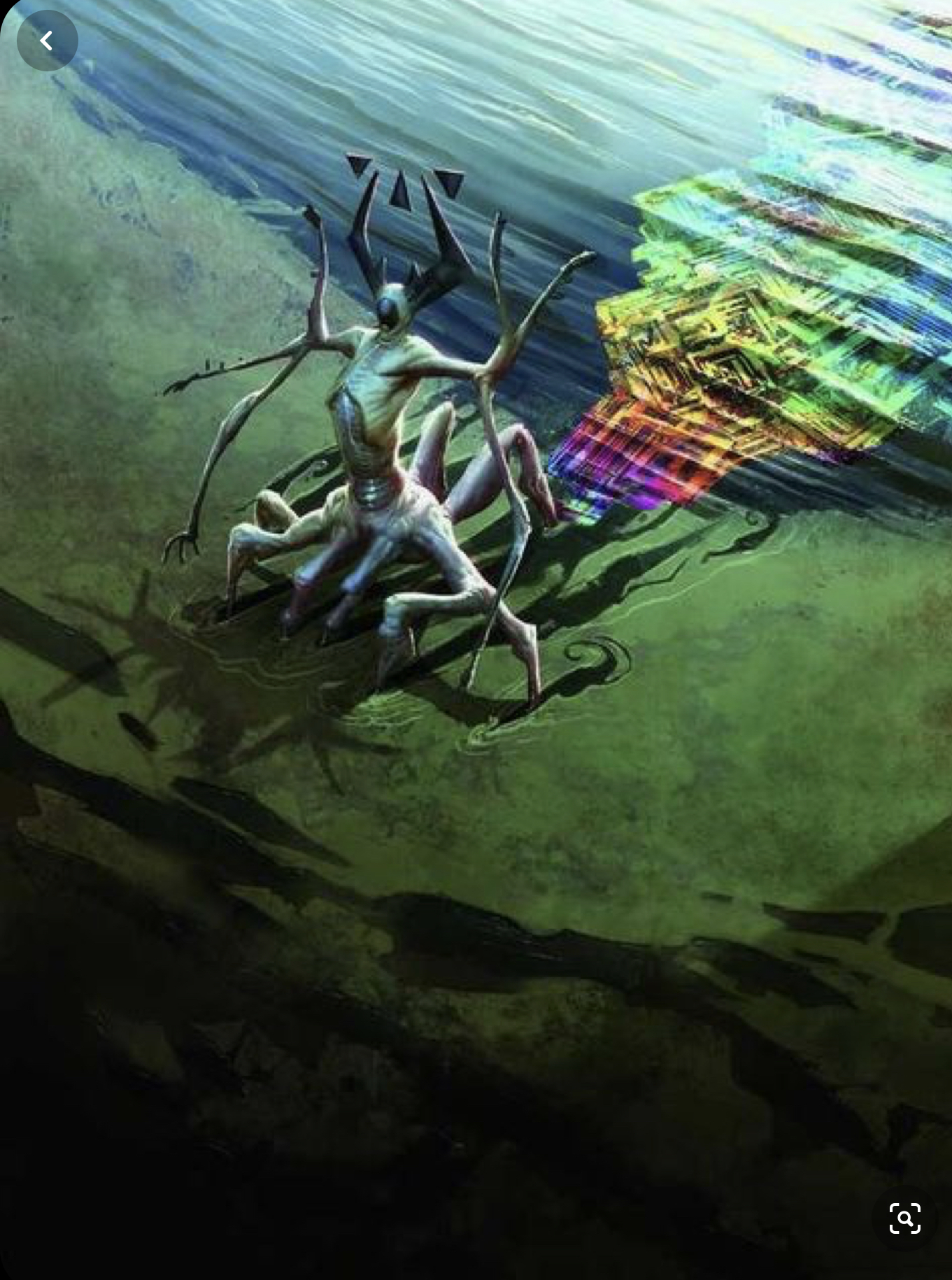
The Dead Sea is a salt sea in the world’s deepest depression, east of Jerusalem, named for the death of Kronamon and source of the scrolls of his creed.
| Type | Place |
| Region | Holy Land |
| Spanish entry | Mar Muerto |
Geography
East of Jerusalem the road only descends, across “desolate plains”, to “the most important depression in the world”. The Jordan flows in; no water leaves, and salt remains: “a place where salt is gathered”. Around the sea are passable shores and caves. Masada stands nearby.
History
Some crusade stories took place here. The Templars operate nearby and are credited with finding a holy relic on its shores. Templars, Gnostics and Jerusalem merchants all converge on the site.
The name
The sea is named for its dead: here Kronamon “received in part his apotheosis but in part also death”, beheaded before these waters. A belief of the region holds that “the only ones who can truly predict the future are the dead, who are connected”, and who know “what happened, happens and will happen”.
The scrolls
Scrolls with the religious writings of Kronamon’s creed were found in the caves. The Gnostics claim them. They also circulate: private people keep some, one admits “I hid some scrolls in the Dead Sea”, and they sell dear in the Jerusalem antiquities market.
Taken out, they reveal and detect; used “so that the living are not seen”, they give off a shining dust. From them come “the Phoenix forces of the Dead Sea scrolls”, able to bring the dead back to life.
Open questions
- Someone was said to walk “on the marble” of the Dead Sea reading a book; whether a prodigy, an enclosure or a mishearing is unknown.
- Whether Kronamon’s death and the salt of the water are cause and effect, or only neighbors, is not established.
- How many scrolls exist is unknown; whether the “seventeen” in “I have seventeen more so the living are not seen” counts scrolls is unclear.
- The water’s nature, and who extracts and trades the salt, are not recorded.
- Undead rejected by crows, and “nails of the dead that they forgot to cut” used as weapons, are spoken of in the region; their link to this basin is not stated.